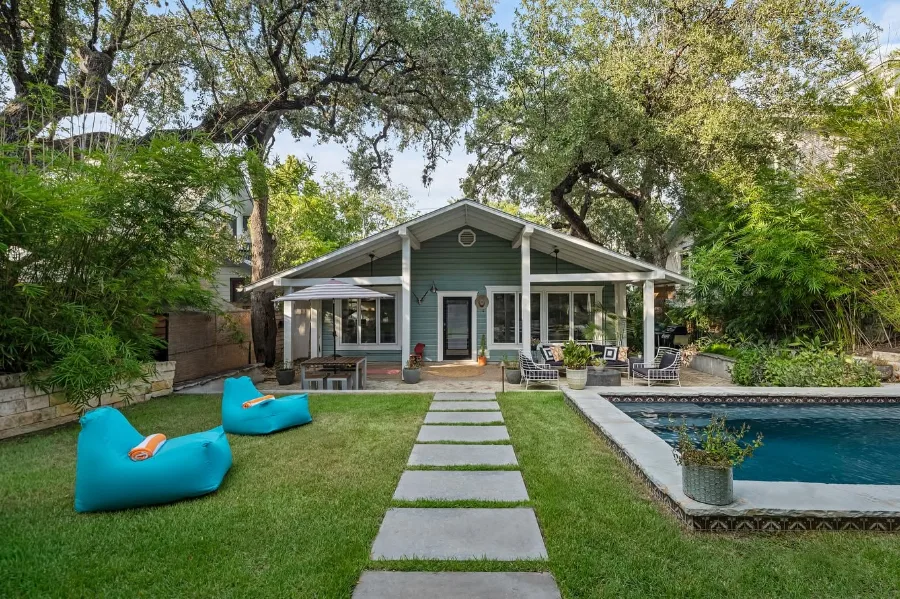
If you are considering a home in Travis Heights, compare the specific block, your daily routes, the property condition and the rules affecting future changes. Check historic status and drainage for the address, and review the records for renovations. The neighborhood name alone cannot answer those property questions.
A good backyard and a house with personality can make a Travis Heights listing hard to forget. Before you fall in love with the photos, give the block and the property records a little attention, too.
I’m Leila Showery, an Austin REALTOR® with Compass. For a South Austin search, I would look at how each home fits your actual week, what needs attention now and what you might want to change later.
Start with the places you will actually use
If your search centers on Travis Heights near South Congress, walk the route from each home to the places that matter to you. A pin near the same restaurant or park can mean a very different everyday trip depending on the street, crossings, grade and sidewalks.
Try the commute at the time you would normally make it. Visit the block at more than one time of day. Check driveway access, guest parking and how comfortable the route feels to you. You are choosing an address, not just a neighborhood label.
Big Stacy Pool is a useful local reference point. The City lists it at 700 East Live Oak Street in 78704, with free admission. Check the City’s page for current hours and closures before planning around it. [1]
Compare what you are getting with the house
When you are comparing an older home, a renovation and newer construction, make a separate list for each property. Record the floor plan, storage, parking, outdoor space, known repairs and what you would want to change.
A remodeled kitchen tells you about the kitchen. It does not establish the condition of the roof, electrical system, plumbing or foundation. Ask for the seller’s disclosures, available invoices, permits and warranties, then have the appropriate inspections completed.
For an older property, use my older Austin home inspection guide to organize those questions. If an addition or remodel is central to the value, compare the approved records with the space you are actually buying.
Check historic status before planning changes
The City identifies the Travis Heights–Fairview Park National Register Historic District in its Historic Landmark Commission records. That makes address-level research worth doing; it does not mean every home marketed as Travis Heights has the same designation or requirements. [2]
Look up the property in Austin’s Historic Property Viewer and ask City staff to confirm its status. The City’s historic-review guidance covers specified projects involving designated properties and historic districts. What review applies depends on the property and proposed work. [3] [4]
If your buying plan depends on replacing windows, adding space, building a separate structure or making other exterior changes, bring those ideas to the City and your project professionals early. Get the process and feasibility clear before putting a renovation allowance into your offer budget.
Look at the lot, drainage and usable outdoor space
A pretty yard still deserves a practical walk-through. Where does the ground slope? Are there retaining walls, drainage features or easements? Which parts of the outdoor space would you actually use, and what maintenance would they need?
Austin’s FloodPro tool lets you research mapped floodplain and storm-drain information by address. Use it as part of your review and ask the City, your inspector and insurance agent to address questions specific to the property. A neighborhood name is not a flood-risk determination. [5]
If a pool, addition or future backyard dwelling is part of the appeal, have the survey, site constraints and applicable rules reviewed for that project. An open area in a photo does not establish buildable space.
How much should you budget for a Travis Heights home?
Start with current comparable homes that resemble the property you would actually buy. Separate the condition, size, lot, ownership structure and location within the search area. A neighborhood-wide average can mix homes that serve very different needs.
Build a monthly budget using the lender’s payment estimate and property-specific tax, insurance and association information. Keep an additional allowance for maintenance and the changes you intend to make. This guide does not quote a neighborhood median or promise a particular level of inventory.
A comparison I would make before choosing
Imagine two homes at similar asking prices. One has the kitchen you want but needs roof work and has awkward parking. The other needs cosmetic updates, has records for recent system work and makes your daily routine easier.
That is a hypothetical comparison, but it is a useful way to tour. Put the immediate costs, the improvements you can delay and the details you cannot change into separate columns. Then decide which property fits your budget and priorities.
Also compare Bouldin Creek and Zilker if you are still narrowing your South Austin search. Tour actual homes in each area and test the routes that matter to you.
Build a Travis Heights search around your priorities
Send me your budget, timing and the three things you care about most, whether that is outdoor space, an existing floor plan or access to your regular stops. We can use those details to make the shortlist more useful.
Contact me to plan your Travis Heights home search or email leila.showery@compass.com. You can also browse Austin homes and send me the addresses you want to compare.
Frequently asked questions
Is every Travis Heights home historically designated?
Do not assume that a listing’s neighborhood label establishes historic status. Check the address in the City’s Historic Property Viewer and ask City staff which designation and review requirements apply to the property and your plans.
Is every Travis Heights home an easy walk to South Congress?
Check the actual route from the address you are considering. Distance, crossings, grade and sidewalks can change the experience. Walk it yourself at the times you expect to use it.
How should I compare prices in Travis Heights?
Use current comparable properties with similar condition, size, lot, ownership structure and location. Include immediate repairs and intended changes in your budget instead of relying only on asking price or a neighborhood average.
Sources and local research tools
Sources checked October 29, 2026.
- City of Austin: Big Stacy Pool
- City of Austin: Historic Landmark Commission record identifying Travis Heights–Fairview Park National Register Historic District
- City of Austin: Historic Properties and Historic Property Viewer
- City of Austin: Historic Review
- City of Austin: View floodplain maps and storm drain infrastructure